In honor of our 60th anniversary, we introduce a new blog series focused on partnerships: the heart of our work.


Educators are key to the Children’s Institute Early School Success initiative. Our evaluation lifts up their insights to inform meaningful systems change across Oregon.

Washington state agencies publish dashboards that contain useful data on high school outcomes, postsecondary access, college affordability, financial aid completion, and more.
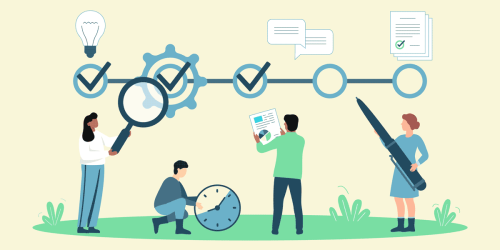
State policies often make it difficult to meet the needs of students in alternative education. With our model, coalitions can lay the foundation for effective, meaningful policy change.

Work-based learning is more than apprenticeships and internships. Alternative WBL approaches give high school students meaningful opportunities to gain authentic work experience.

Through recent engagements with WERA members, we’re identifying how to improve postsecondary transitions across Washington state.

Over the next five years, this investment will expand access to evidence-based early literacy supports for students across Montana.

Our approach ensures that every provider can access high-quality training that prepares them to deliver safe, responsive, and developmentally appropriate care.
Intentional design of trauma-informed learning experiences promotes safety and well-being while fostering deeper engagement.
Reading aloud is both a powerful literacy strategy and a celebration of our shared humanity.

Lindsay Camp, a lead preschool teacher in Leavenworth, WA, shares her welcoming and inclusive approach to engaging all families, all year long.
All across Washington, regional partners are working to create place-based, collaborative solutions to help all students transition from high school to college and career
With the right data, states and regional agencies can better align career prep programs to labor market needs—benefitting workers, employers, and entire communities.
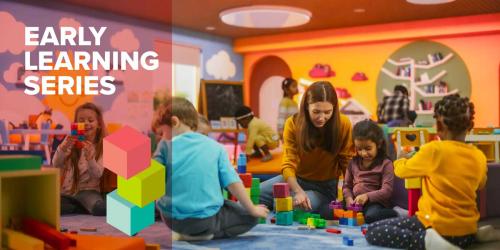
Leaders play an important role in promoting play-based learning. Here are research-based tips for getting started.

A strategic planning process that engages the community, leverages data, and prioritizes realistic solutions can be a catalyst for transformation.