Building Better State Policy for Alternative Education
People who work in high school alternatives know this truth well: State education policies often make it challenging to meet the needs of students who are furthest from educational opportunity. Policies do not always align with promising practices that support student agency and success, such as adding flexibility in credit accrual, creating pathways that connect education and careers, or securing better funding for wraparound services.
But here’s the challenge: Even when we know the pain points, even when we know the promising practices, most people do not know what good policy looks like or how to begin making change.
State Action Collaborative for High School Alternatives
Policy change can feel overwhelming, especially when you’re already balancing competing demands in resource-constrained environments. So how do you move from recognizing a problem to creating meaningful change?
Education Northwest is working with eight state-level teams across the country to answer that question. Together, the State Action Collaborative for High School Alternatives is focused on shifting policy to better serve students who are left behind by the conventional K–12 system. While state teams engage in the challenging work of shifting policy, Education Northwest provides technical assistance and peer learning opportunities to guide teams through a model for policy change.
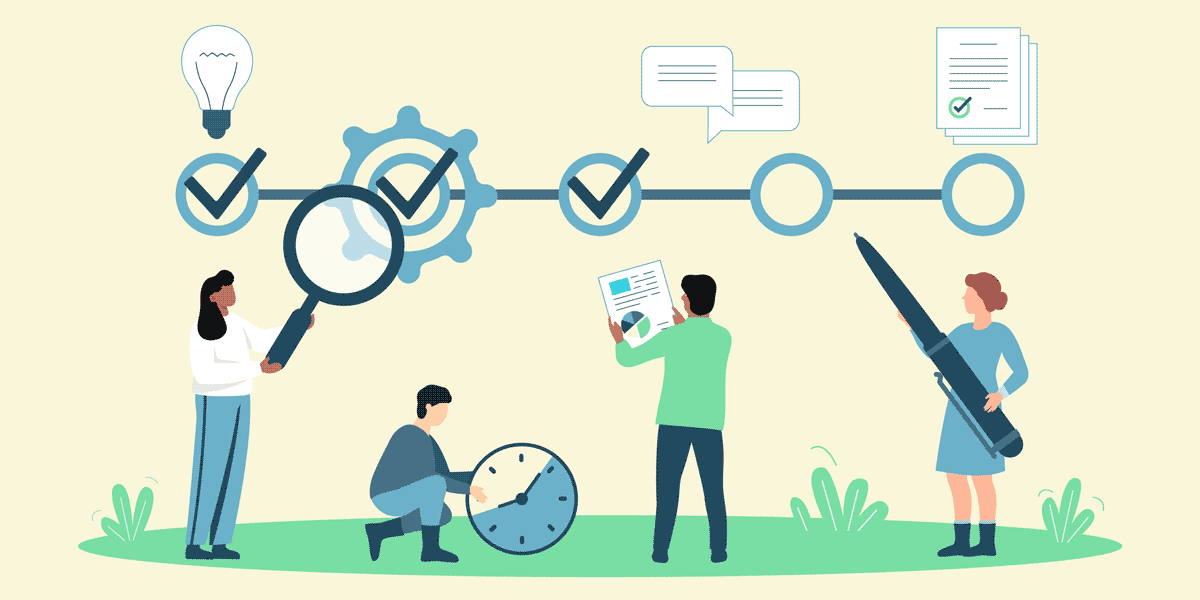
Our Model for State Education Policy Change
Our State Education Policy Change model draws from several frameworks (e.g., Urban Institute’s Policy Change Toolkit for Foundations, Frameworks Institute’s Framing and Policymaking) but is tailored to the unique challenges of education.
For simplicity we describe our model here as a linear process, but policy change inevitably plays out in fits and starts. Emerging policy discussions, press, or unexpected events can create a sense of urgency or prompt a change in the strategy or steps in an action plan. Coalitions must remain flexible and adaptable to changing conditions, and they may need to move between different stages to do so.
1. Build a Coalition
Policy change doesn’t happen in isolation. The first step is to build a coalition of policymakers, researchers, experts, practitioners, students and families, and community-based organizations. Together, this group can develop a shared vision and gather information to develop a common understanding of the policy problem and potential solutions. Engaging individuals from multiple perspectives takes significant time and effort, but it is key to creating effective and sustainable policy.
Engaging individuals from multiple perspectives takes significant time and effort, but it is key to creating effective and sustainable policy.
2. Develop an Action Plan
Once the vision is clear, coalitions create action plans that outline concrete steps toward change. These plans often include:
- Needs sensing to understand the scope of the problem and identify best practices
- Engagement and education to ensure everyone involved—students, legislators, practitioners, and others—understands the issues and the proposed solutions
- Policy development that translates ideas into actionable proposals
3. Implement the Action Plan—with a Focus on Students
Policy change isn’t just about passing a bill or revising a regulation. It’s about creating a better system of education for students. Effective coalitions work toward policy change with an eye on implementation, tracking compliance, and evaluating impact right from the start. To make sure policies work for the focus populations, coalitions should create ongoing opportunities for students to provide feedback and shape continuous improvement.
Our Model in Action
The State Action Collaborative started to progress through our policy change model in late 2024. Each state team has built a coalition and developed an action plan, but they all brought different strategies to their policy change efforts. Learn more about each state’s policies related to high school alternatives.
Here are a few highlights from the varied approaches:
Minnesota
The Minnesota team tapped into MAAP STARS (Minnesota Association of Alternative Programs Student Recognition, Achievement, Responsibility, & Success) to engage students in the policy change process. This collaborative approach ensures that decisions about alternative education policy are directly informed by the lived experiences of the most impacted students.
Kentucky
The Kentucky team successfully brought together a diverse set of state offices (the Department of Education; the Department for Behavioral Health, Developmental and Intellectual Disabilities; Kentucky Educational Collaborative for State Agency Children; and the Education and Labor Cabinet) and a strong nonprofit partner to collectively envision a path forward for the state. This coalition is developing a shared vision and coordinating across systems to advance a more informed, cohesive approach to alternative education statewide.
Arkansas, Oregon, Michigan, and Rhode Island
The Arkansas, Oregon, and Michigan teams are engaging their alternative education associations to learn how programs and schools are approaching alternative education and what policy changes would best fit existing practices. Rhode Island is in the process of developing an alternative education association to do the same. This engagement grounds policy development in current practice by clarifying needs, surfacing best practices, and ensuring proposed changes fit existing models.
California
The California team is engaging the state’s County Offices of Education to broaden their coalition and ensure their approach to data collection protects students furthest from educational opportunity. This coalition-building effort supports needs sensing and policy development while laying the groundwork for an action plan that can be implemented and evaluated with student experiences and outcomes at the center.
Policy change takes time, and the foundations built by the state teams are already a big win for participating states. Their efforts demonstrate the power of advancing state-level policy change while remaining in active, ongoing conversation with partners across the country.
Ready to Get Involved?
If you’re passionate about improving alternative education policy and want to learn more about our work, sign up for our email list. You’ll receive updates, resources, and opportunities to join the conversation about creating better policies for students who need them most.
If you want to hit the ground running with your own policy change, contact our team. We can offer resources to get you started.
Ashlie Denton is a managing researcher with expertise in alternative education, STEM, and youth and community engagement. Thanks to her background in public affairs and policy, she analyzes complex educational challenges through a systems lens that considers how learning environments, policies, practices, and networks help and hinder student success.