
This classic brief looks at the research on activities pursued by teachers to keep track of student learning for purposes of making instructional decisions and providing student feedback.
 School System Improvement
 Youth Engagement
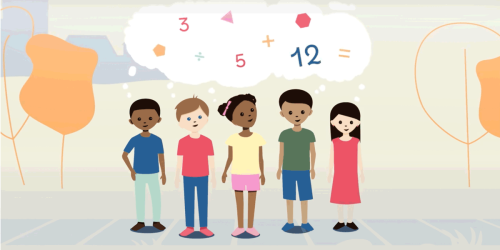
Help young children recognize, practice, and appreciate math in their daily lives with these two strategies.
 School System Improvement
This classic research synthesis by Researcher Kathleen Cotton cites classroom, school, and district practices that research has shown to foster positive student achievement, attitudes and social behavior.
 School System Improvement
Placing students into small groups can be a powerful approach to stimulate learning. This resource serves educators looking to improve classroom instruction through small-group student learning.
 Postsecondary Success
This booklet presents some research-based ideas as a starting place for those who want to develop better policies and practices to support student attendance.
 School System Improvement
This classic brief reviews research on the relationship between teachers' classroom questioning behaviors and a variety of student outcomes, including achievement, retention and participation.
 English Learners
English Language Learner (ELL) students bring substantial assets such as bilingualism and biculturalism to communities and classrooms, yet their educational achievement is often lower than that of their non-ELL peers.
 School System Improvement
Intermediary organizations that serve as the backbone of an education network can be integral to a network’s success. Use this checklist to assess whether a potential intermediary partner can fulfill the core capacities to your emerging network.
 Native Education
We compiled this list of resources containing information on what changes schools can make to create a more welcoming school climate and increase the engagement of American Indian and Alaska Native families in schools.
 Postsecondary Success
How does participation in accelerated learning help Oregon high school students? We analyzed K–12 records to find out.
 Career & Technical Education
States are developing comprehensive educational data systems that contain a wealth of student data spanning the pre-K, K-12, and postsecondary education systems.
 Youth, Family & Community
Cyberbullying, or electronic aggression, is unwanted behavior by a student or group of students that occurs through email, chat rooms, instant message, websites or social media.
 English Learners
This list of available recent studies and articles on time to reclassification for English learners can help inform processes such as program planning and resource allocation.
 Youth, Family & Community
An effective and evidence-based way to improve schools, nonprofits, and government agencies is to make decisions in partnership with those being served. This six-page resource provides an overview and tips for educators and youth workers.
 English Learners
Learn about the five key principles that all teachers should know about second-language acquisition and the academic challenges English learners face.